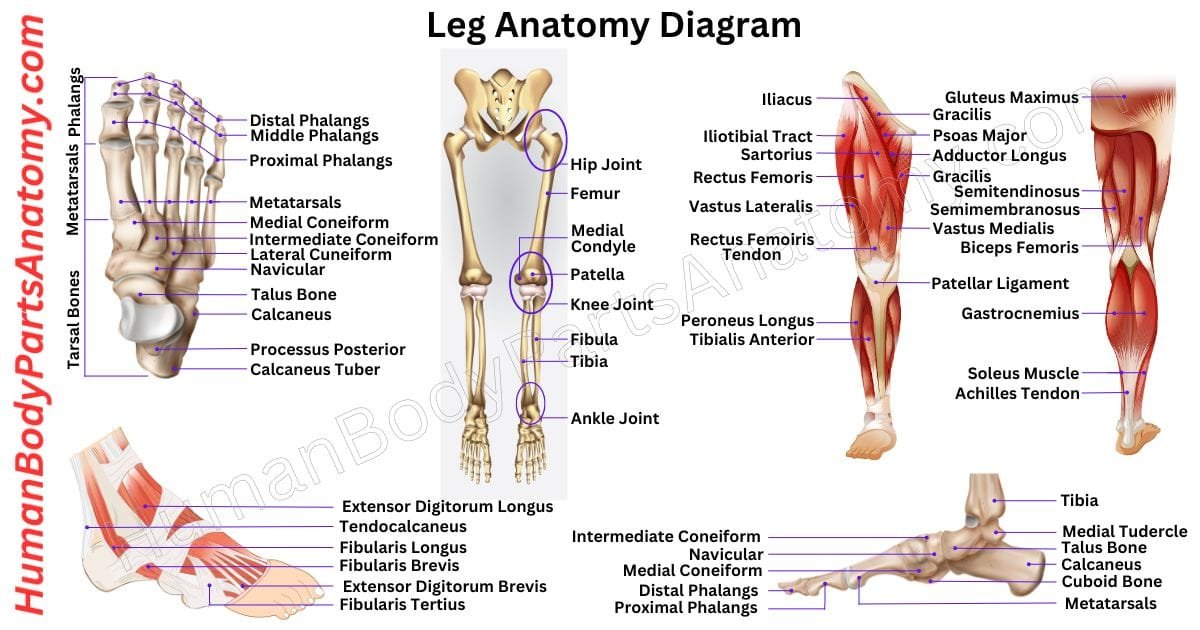
Guide to Lower Leg Anatomy: Understanding the Tibia, Fibula & Calf Muscles
The human body is an incredible machine, and few areas exemplify its intricate design quite like the lower limbs. Specifically, the **lower part of leg** – the region nestled between your knee and ankle – is a marvel of engineering, balancing robust structural support with the capacity for complex, dynamic movement. Far from being a simple connector, this vital segment is responsible for bearing your body weight, facilitating locomotion, and maintaining balance. Understanding its anatomy, from the foundational bones to the powerful muscles and crucial neurovascular structures, is key to appreciating its function and preserving its health. This comprehensive guide will take you on a journey through the primary components of the **lower part of leg**, focusing on the tibia, fibula, and the dynamic array of calf muscles. We'll explore their individual roles, how they collaborate, and why this knowledge is indispensable for everything from athletic performance to everyday mobility.The Bony Framework of the Lower Part Of Leg: Tibia and Fibula
At the core of the **lower part of leg** are two prominent long bones: the tibia and the fibula. These two bones, while working in tandem, have distinct roles that are crucial for both strength and flexibility.The Tibia (Shin Bone): Your Primary Weight Bearer
Often referred to as the shin bone, the tibia is the larger and more medially located of the two lower leg bones. Its robust structure is engineered to withstand significant compressive forces, making it the primary weight-bearing bone in the **lower part of leg**. Proximally, it articulates with the femur to form the knee joint, a critical pivot point for movement. Distally, it connects with the talus bone of the foot, forming a key part of the ankle joint. The tibia’s prominence along the front of the leg means it's often palpable, and its broad, flat surface provides extensive attachment points for numerous muscles and ligaments. Its strong shaft is vital for stability during standing, walking, and high-impact activities.
Practical Tip: Due to its significant role in weight-bearing and direct exposure, the tibia is a common site for injuries like shin splints (medial tibial stress syndrome) and stress fractures, especially in runners or those who rapidly increase their activity levels. Proper warm-ups, appropriate footwear, and gradual training progression are essential for protecting this foundational bone.
The Fibula: Stability and Muscle Attachment
Running parallel to the tibia, but positioned more laterally and posteriorly, is the fibula. This slender bone is significantly thinner than the tibia and plays a comparatively minor role in weight bearing. Instead, its primary functions are to provide crucial stability to the ankle joint and serve as an extensive attachment site for many of the muscles that move the foot and toes. The fibula articulates with the tibia at both its proximal and distal ends, reinforcing the overall structure of the **lower part of leg**. Its distal end extends downwards to form the lateral malleolus, a prominent bony protrusion on the outside of the ankle that helps create the ankle mortise, critical for ankle stability.
Fact: Because the fibula is not a primary weight-bearing bone, sections of it are sometimes harvested by surgeons for bone grafting procedures in other parts of the body, with minimal long-term impact on the patient's lower leg function.
The Ankle Joint: A Bridge to the Foot
The distal ends of the tibia and fibula, together with the talus bone of the foot, form the highly important ankle joint. This articulation, often referred to as the talocrural joint, is a hinge joint that primarily allows for dorsiflexion (lifting the foot towards the shin) and plantarflexion (pointing the foot downwards). The robust bony mortise created by the malleoli of the tibia and fibula, coupled with strong ligaments, provides remarkable stability to this joint, which is constantly under stress during locomotion. A healthy ankle joint is paramount for smooth gait, balance, and agility, showcasing the sophisticated interaction between the bones of the **lower part of leg** and the foot.
Muscular Powerhouse: Understanding the Calf Muscles and Beyond
While the bones provide the framework, it's the muscles of the **lower part of leg** that generate the power for movement, enable stability, and dictate much of our mobility. These muscles are typically divided into three main compartments: anterior, lateral, and posterior.The Posterior Compartment: The Mighty Calves
The posterior compartment, prominently featuring what we commonly refer to as the calf muscles, is perhaps the most recognized muscular group of the **lower part of leg**. This compartment is further subdivided into superficial and deep layers.
- Gastrocnemius: This is the most superficial and visible of the calf muscles, forming the bulk of the upper calf. It has two heads (medial and lateral) that originate above the knee joint on the femur and merge to form the Achilles tendon. Due to its origin above the knee, the gastrocnemius is particularly powerful for rapid and forceful plantarflexion (like pushing off the ground during running or jumping), especially when the knee is extended.
- Soleus: Lying deep to the gastrocnemius, the soleus is a broad, flat muscle that originates solely from the tibia and fibula below the knee. It also contributes to the Achilles tendon. The soleus is a powerhouse for sustained plantarflexion and endurance activities, playing a crucial role in maintaining upright posture and walking. Because it doesn't cross the knee joint, it can generate significant force regardless of knee position.
- Achilles Tendon: Both the gastrocnemius and soleus converge to form the strong Achilles tendon, the thickest tendon in the human body, which inserts into the heel bone (calcaneus). This tendon transmits the collective force of the calf muscles to push the foot off the ground.
- Deep Posterior Muscles: Beneath the soleus lie smaller but vital muscles like the Tibialis Posterior (critical for arch support and inversion of the foot), Flexor Digitorum Longus (flexes the four lesser toes), and Flexor Hallucis Longus (flexes the great toe). These muscles contribute significantly to foot stability and fine motor control of the toes.
Practical Tip: To effectively stretch both the gastrocnemius and soleus, try two variations of a calf stretch. For the gastrocnemius, keep your back leg straight with the heel down. For the soleus, bend your back knee slightly while keeping the heel down. This targets the different origins of the muscles.
The Anterior Compartment: Dorsiflexion and Foot Clearance
The anterior compartment of the **lower part of leg** is located at the front, alongside the tibia. Its primary muscles are responsible for dorsiflexion (lifting the foot upwards towards the shin) and inversion (turning the sole of the foot inwards).
- Tibialis Anterior: This is the largest muscle in the anterior compartment, running along the outside of the shin bone. It is crucial for walking, as it lifts the foot during the swing phase of gait, preventing the toes from dragging on the ground (a condition known as "foot drop" when weak). It also helps stabilize the ankle and support the arch of the foot.
- Other muscles in this compartment include the Extensor Digitorum Longus (extends the four lesser toes) and Extensor Hallucis Longus (extends the great toe), which aid in fine control of the foot and toes.
Insight: Strengthening the tibialis anterior can be beneficial for individuals experiencing shin splints, as an imbalance between the powerful calf muscles and a weaker tibialis anterior can contribute to the condition.
The Lateral Compartment: Eversion and Ankle Stability
Situated on the outside of the fibula, the lateral compartment contains the peroneal muscles (also known as fibularis muscles). These muscles are primarily responsible for eversion of the foot (turning the sole outwards) and also assist in plantarflexion.
- Peroneus Longus (Fibularis Longus): This muscle runs down the side of the leg, with its tendon wrapping under the foot to help support the arch.
- Peroneus Brevis (Fibularis Brevis): Lies deep to the longus and also contributes to eversion and ankle stability.
These muscles are vital for navigating uneven terrain, providing dynamic stability to the ankle joint and protecting against inversion sprains. Together, the muscles of the **lower part of leg** provide an incredible range of motion, power, and subtle control necessary for all forms of bipedal movement.
Clinical Significance and Maintaining a Healthy Lower Part Of Leg
Understanding the intricate anatomy of the **lower part of leg** isn't merely an academic exercise; it has profound practical implications for health, fitness, and injury prevention. This knowledge forms the bedrock for assessing gait, diagnosing musculoskeletal injuries, and developing effective rehabilitation strategies. For a deeper dive into how these bones and muscles work together for stability and movement, read our article: The Lower Leg: Stability, Movement & Clinical Importance.Common Conditions Affecting the Lower Part Of Leg
Given the stress and demands placed on this region, the lower leg is susceptible to a variety of conditions:
- Shin Splints (Medial Tibial Stress Syndrome): Pain along the inner edge of the tibia, often caused by overuse or rapid increases in activity.
- Achilles Tendonitis/Rupture: Inflammation or tearing of the Achilles tendon, commonly seen in athletes.
- Calf Strains: Tears in the gastrocnemius or soleus muscles, often due to sudden acceleration or overstretching.
- Stress Fractures: Small cracks in the bone, usually the tibia or fibula, resulting from repetitive stress.
- Compartment Syndrome: A serious condition where swelling within a muscle compartment compresses nerves and blood vessels, requiring immediate medical attention.
Tips for Maintaining Lower Leg Health
Proactive care is essential for keeping your **lower part of leg** strong and healthy:
- Regular Stretching: Focus on both the calf muscles (gastrocnemius and soleus) and the tibialis anterior to maintain flexibility and balance.
- Strengthening Exercises: Include calf raises (straight and bent knee), eccentric calf exercises, and tibialis anterior strengthening (e.g., toe taps or using resistance bands).
- Proper Footwear: Wear shoes that provide adequate support and cushioning for your activity level and foot type. Replace worn-out shoes promptly.
- Gradual Progression: When starting a new exercise routine or increasing intensity, do so gradually to allow your tissues to adapt.
- Listen to Your Body: Don't ignore persistent pain. Seek professional advice from a doctor or physical therapist if discomfort lingers.
- Cross-Training: Incorporate varied activities to avoid repetitive stress on the same muscle groups and joints.
Understanding the intricate design of the Lower Leg Anatomy: Bones, Muscles, and Key Regions provides a foundation for appreciating its functional genius and the importance of caring for this critical body part.
Conclusion
The **lower part of leg** is a complex and highly functional region, a testament to the evolutionary design of the human body. From the robust weight-bearing tibia and the stabilizing fibula to the powerful calf muscles and the precise control offered by the anterior and lateral compartments, every component plays an indispensable role. This intricate network of bones, muscles, and connective tissues enables us to stand, walk, run, and jump, providing both strength and agility in equal measure. By appreciating its anatomy and taking proactive steps to maintain its health, we can ensure that this vital part of our body continues to support our active lives for years to come.